How Board Games Build Strategic Thinking
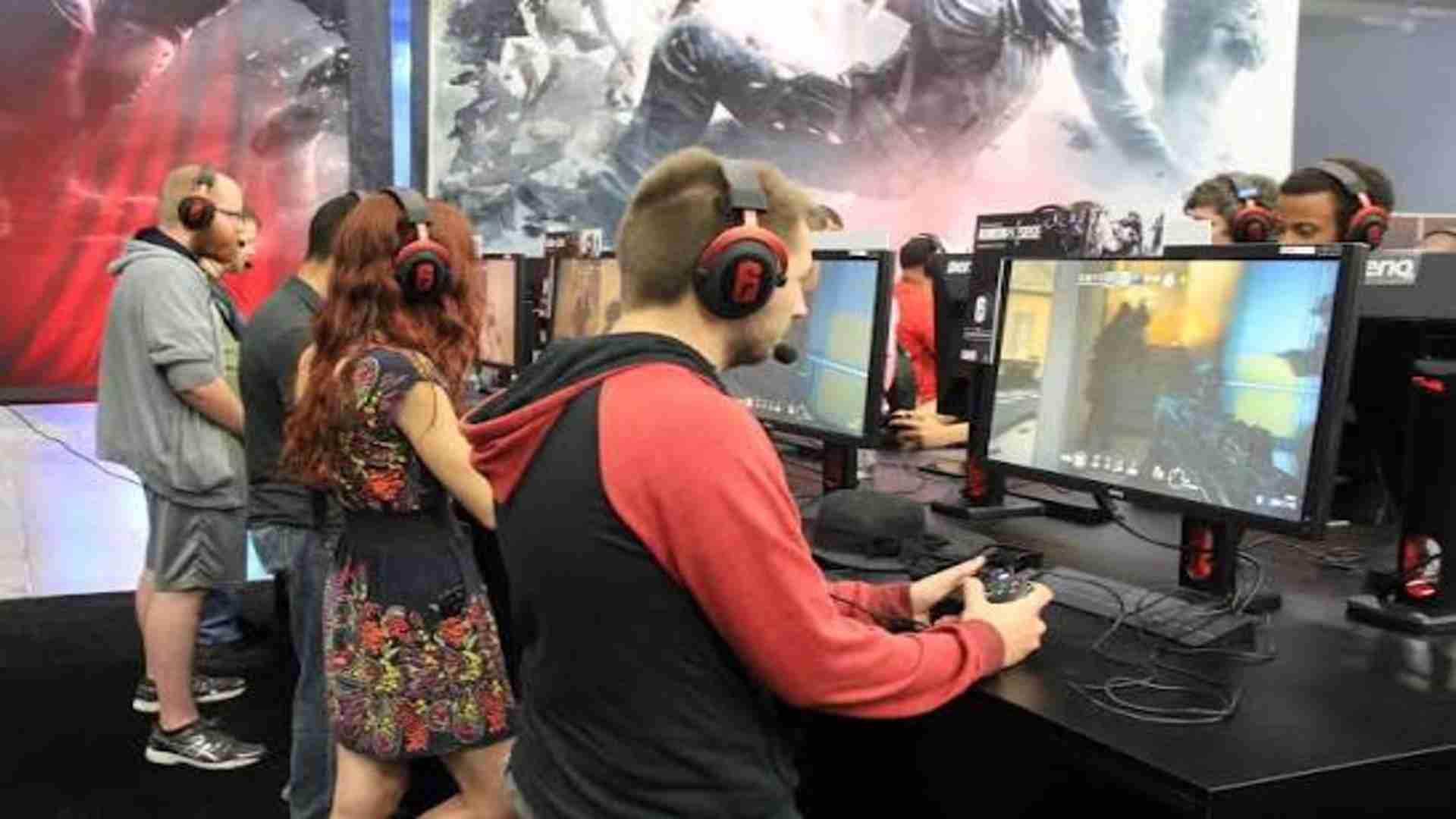
Tabletop gaming has transformed significantly from simple pastime activities into highly regarded tools for cognitive development. Sitting around a board with family or friends offers more than basic entertainment; it forces the human mind to evaluate complex scenarios and adapt to ever-changing conditions. By engaging in these interactive sessions, individuals can unconsciously hone their long-term planning and decision-making capabilities.
The Core Mechanics of Analytical Planning
Modern board games are carefully designed around systems that require players to manage limited resources efficiently. Every single choice carries an immediate opportunity cost, forcing participants to weigh short-term gains against their ultimate objectives. This continuous evaluation naturally builds a structured framework for analyzing real-world problems from multiple angles.
Furthermore, players must learn to anticipate their opponents' future choices while masking their own long-term intentions. Cultivating this dual perspective sharpens spatial awareness and logical reasoning over multiple turns. Over time, this mental exercise helps individuals identify subtle patterns and potential risks before they manifest entirely.
Adapting Tactics in Unpredictable Environments
No plan remains perfect once a game begins, as random elements and opponent interventions constantly reshape the board state. True tactical mastery relies heavily on a player's capability to pivot their approach when unexpected obstacles disrupt their primary strategy. This fluid environment trains the brain to remain calm and analytical under competitive pressure.
For those interested in exploring different platforms that test tactical calculations, researching reliable digital avenues like M88 togel can provide a unique look into probability structures. However, physical board games offer a distinct advantage by requiring immediate face-to-face adjustments. This dynamic interaction ensures that players remain highly flexible, a trait that transfers directly into professional problem-solving scenarios.
Long-Term Consequences and Risk Management
Every move on a game board serves as a miniature experiment in risk calculation and probabilistic outcomes. Players must decide whether to pursue high-risk rewards or stick to safer, incremental advancements toward victory. Experiencing the direct consequences of these decisions within a safe environment fosters deep accountability and mature judgement.
This continuous feedback loop allows enthusiasts to study their tactical mistakes without facing actual real-world repercussions. Analyzing why a specific move failed helps build a resilient mindset focused on continuous self-improvement. Consequently, seasoned gamers often display greater patience and thoroughness when tackling intricate tasks in their daily lives.
Enhancing Collaborative Decision Making
While competitive titles sharpen individual minds, cooperative tabletop games focus heavily on collective planning and shared execution. Teams must communicate complex ideas clearly, negotiate responsibilities, and synchronize their actions to overcome built-in game mechanics. This collaborative environment highlights the immense value of diverse perspectives when solving a singular problem.
Working together toward a common goal teaches participants how to balance individual strengths against collective vulnerabilities. It builds a deeper appreciation for team cohesion and strategic alignment, which are critical components of modern organizational success. Ultimately, these shared victories or defeats offer profound insights into leadership, empathy, and group dynamics.