Interactive Lessons in Probability and Chance
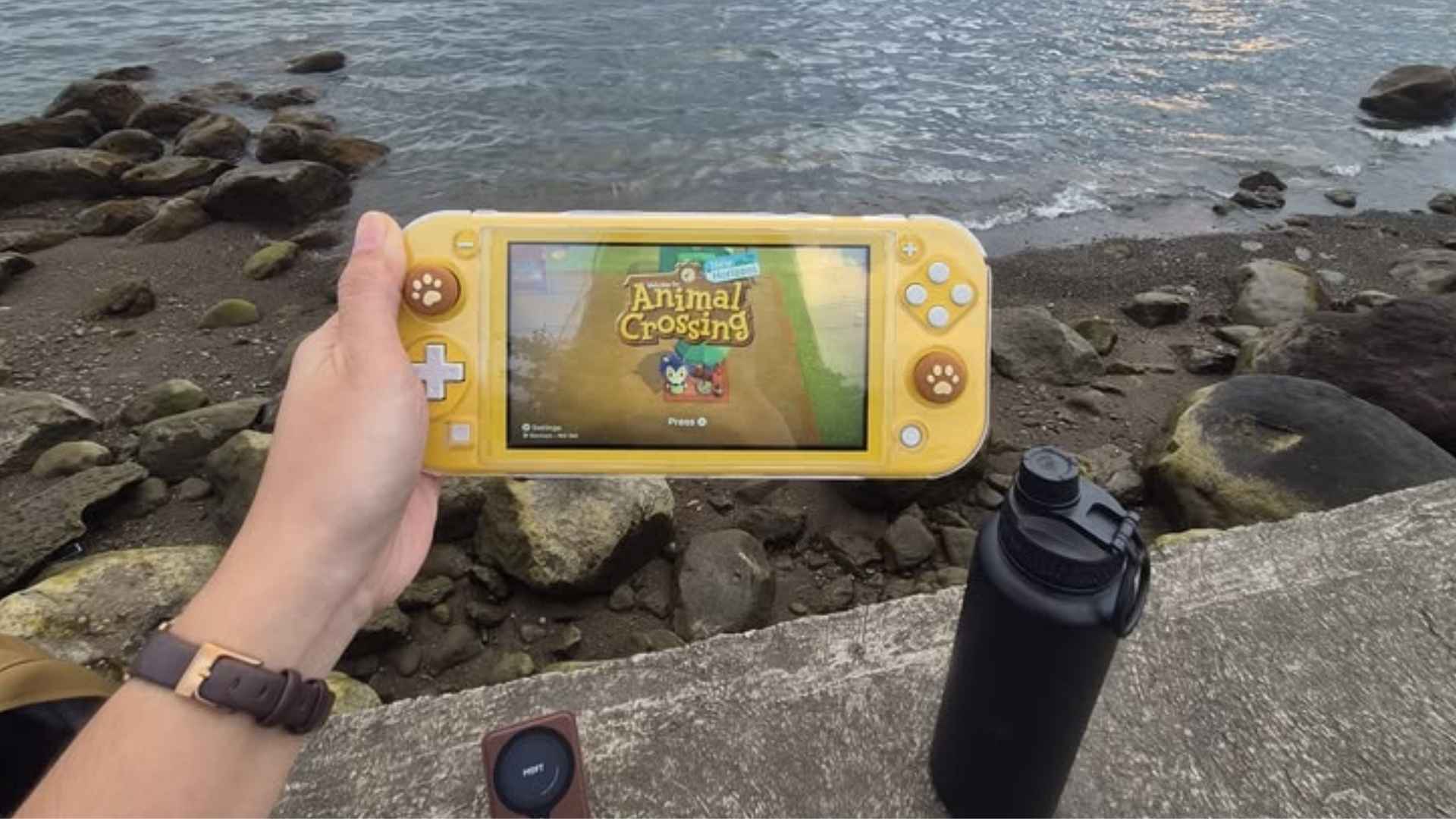
Understanding how uncertainty shapes our world can be a highly challenging task when learners are restricted entirely to traditional textbooks. By utilizing interactive lessons in probability and chance, educators can successfully transform abstract mathematical theories into engaging, practical experiences. This modern approach fosters a deeper logical framework that allows individuals to navigate daily choices and risk structures with greater objectivity.
The Shift to Active Learning Environments
Traditional academic lectures often struggle to keep students fully engaged when dealing with complex statistical distributions and long columns of numerical data. Incorporating active simulations into the weekly curriculum allows participants to witness the laws of large numbers unfold naturally in real time. These dynamic exercises effectively bridge the gap between static theoretical calculations and intuitive human reasoning.
When learners are given the opportunity to actively manipulate variables, they quickly develop a more robust understanding of how independent and dependent outcomes operate. This hands-on methodology helps demystify the core mathematical systems that govern everyday unpredictability across various global industries. Ultimately, active participation cultivates a sustainable interest in foundational statistical concepts that remain useful throughout a person's life.
Simulating Risk and Analytical Frameworks
Interactive digital tools offer a completely safe environment for individuals to experiment with complex decision-making processes under conditions of strict uncertainty. By carefully examining these simulated scenarios, players learn to move past standard emotional reactions and rely heavily on structured data analysis instead. This systematic exploration significantly reduces common cognitive biases, helping participants realize that past results do not influence completely independent events.
Engaging regularly with highly structured platforms can also clarify how modern technological software handles randomized results in a fair and secure manner. For example, exploring the entertainment mechanics found at a digital platform like M88 casino can provide an excellent practical showcase of advanced random number generation systems. Reviewing these interactive mathematical structures enhances a learner's capacity to evaluate statistical probabilities accurately within various professional fields.
Building Strategic Thinking Through Play
Integrating specialized educational games into the standard learning process forces participants to analyze data and plan multiple strategic steps ahead dynamically. These interactive challenges require individuals to calculate expected value metrics constantly while adapting to unpredictable shifts on their screens. Over extended periods, this practice builds strong cognitive agility and sharpens essential long-term planning habits that apply to real-world dilemmas.
Cooperative group activities further enhance this educational journey by encouraging collaborative problem-solving and open discussions among diverse groups of peers. Debating shifting probabilities and potential risks during live gameplay helps clarify complex mathematical ideas in a highly supportive setting. Consequently, students learn to appreciate the intricate relationship between personal strategy and the natural laws of chance.
Enhancing Statistical Literacy for the Future
Developing a strong foundation in statistical literacy is becoming increasingly important as modern society relies more heavily on data-driven information systems. Interactive lessons provide students with the critical tools necessary to interpret complex charts, graphs, and probability models accurately. This comprehensive understanding ensures that future professionals can make evidence-based choices when confronted with structural uncertainty.
Furthermore, visually exploring statistical variations helps eliminate the common anxieties often associated with high-level mathematics courses. By converting intimidating equations into visible, interactive components, educators can create a more inclusive learning atmosphere. This supportive environment encourages continuous curiosity and deepens analytical comprehension across all participating age groups.
Practical Benefits for Daily Decision Making
The practical analytical skills gained from regular interactive probability exercises extend far beyond the boundaries of a standard classroom environment. From interpreting daily weather forecasts to evaluating long-term financial investments, strong statistical thinking remains vital for personal success. Developing this foundational knowledge empowers individuals to navigate modern lifestyle complexities with total rational confidence.
Embracing these innovative educational tools ensures that foundational mathematics remains highly accessible and entertaining for people of all backgrounds. Consistent practice with basic dice activities, card challenges, or sophisticated digital modules stabilizes cognitive growth over time. With the right interactive resources, mastering the laws of chance transitions from a daunting task into an enjoyable reality.